Search

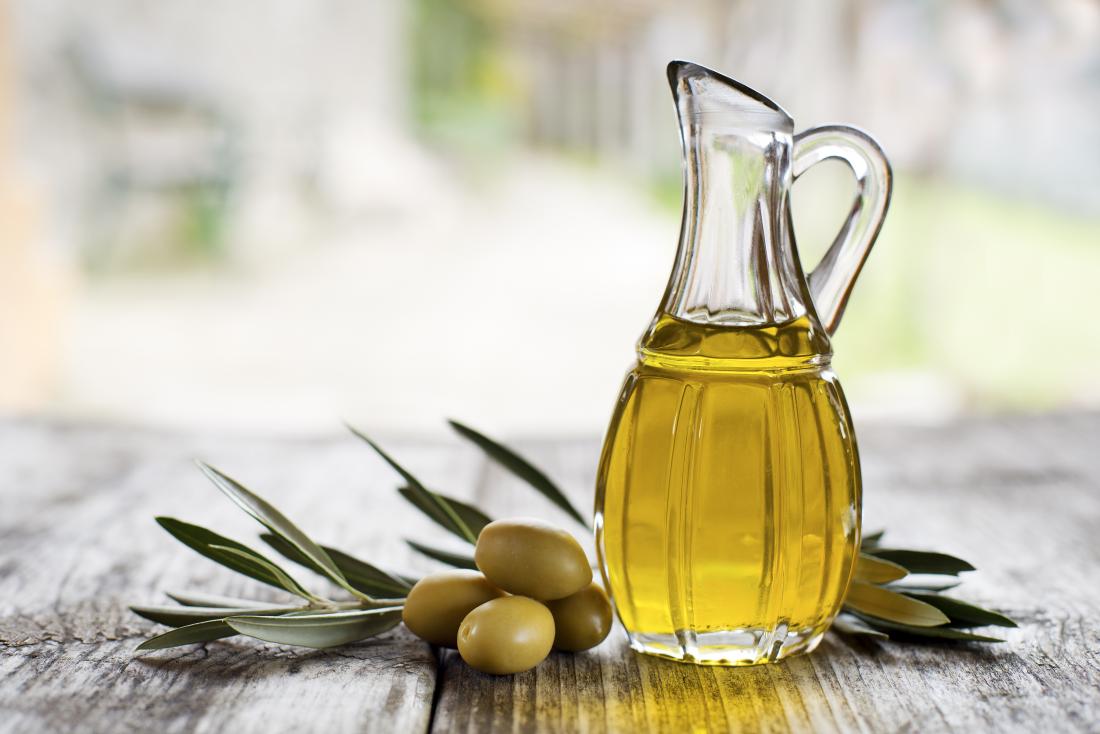
Olive Oil

Post by

In order for your hair to remain healthy, it needs to retain moisture and nutrients, and those are often depleted with hot tools, chemical processing, surfactants in shampoos, and daily wear and tear. It also needs protection from environmental stressors, like sun and pollution, as they cause free-radical damage. When your hair is damaged, it can become more porous, meaning it loses water much faster.

Olive oil plays a role in helping hydrate hair but not in the way you might think: Olive oil is a monounsaturated fat. Hair actually has the ability to absorb monounsaturated fats. they've been able to document the absorption of certain oils by tracking the thinning film that surrounds the strand, and it also shows that doesn't happen with all oils, like mineral for example, so while some smaller oil molecules can penetrate hair, some will only sit on top.

And when olive oil is absorbed into the hair, it can actually help hair retain hydration. Retain is the key word here: "Oil is not a conditioner, only water-based products can truly moisturize your hair,"

These oils have many hair benefits, but they work best when in conjunction with a water-based hydrating cream." Liken it to using an oil in skin care; they are most hydrating when tapped on top of a lotion or essence to help "trap" in the water.

Olive oil also contains a large amount of antioxidants from vitamins E and K.
The antioxidants will help neutralize those and mitigate any future stressors.

olive oil can also act as a lubricant for strands to reduce breakage. Shockingly, a significant amount of damage to hair can actually happen during the shower: Hair is weakest when wet, then when you add in surfactants from shampoo and the scrubbing motion, you cause friction between strands. This friction can lead to raised cuticles, stretching, and splintering. When you apply an oil before washing, the film helps minimize the chances of this.

It should be noted that these benefits only come when choosing the right type: Opt for extra-virgin organic olive oil, which is the least processed and contains more of the hair-helping nutrients explained above.

What hair types should (and shouldn't) use olive oil?

Those with extremely dry hair or those with kinky and curly textures will benefit the most from olive oil . This hair texture is naturally more porous and, therefore, loses moisture faster. Also because of the winding strand pattern, it has more points on the hair that are prone to breakage (your hair is more susceptible to damage at curves and turns), so it needs more lubricating, especially during the detangling or washing process.

However, it's too heavy of an oil for those with fine or straight hair. It will weigh down strands and make the style appear greasy, especially when applied at the roots. These hair types would benefit more from a thinner option with less slip, like jojoba or argan oil.

Coconut Oil

Post by

Coconut oil is an extremely versatile health and beauty product.
People use it for all sorts of things, from cooking and cleaning to moisturizing their skin and removing makeup.
Others often use coconut oil to help improve the health and condition of their hair.

Daily grooming practices like washing, brushing, and styling can cause damage to your hair and leave it looking frizzy, broken, and dry.
To better understand why this happens, you’ll need to know more about your hair’s structure.
Your hair is made up of three layers:
• Medulla. This is the soft, central part of the hair shaft. Interestingly, thick hair contains large amounts of medulla, while fine hair has almost none.
• Cortex. This is the thickest layer of your hair. It contains lots of fibrous proteins and the pigment that gives your hair its color.
• Cuticle. The cuticle is the tough, protective outer layer

• Washing, styling, and coloring your hair can damage the cuticle, making it unable to protect the central pa2
Trusted Sourcerts of the hair shaft.

This causes you to lose some of the fibrous proteins that make up your hair’s cortex, making your hair thin, fragile and prone to breakage.

Coconut oil is often said to be the best oil to use on your hair to reduce protein loss and keep it looking healthy.

Coconut oil is predominantly made up of a medium-chain fatty acid called lauric acid. This gives coconut oil a long, straight structure, which is more easily absorbed deep into the hair shaft.

Many people want to grow long, sleek, and shiny hair.
However, day-to-day wear and tear on your hair caused by styling, grooming, the weather, and pollutants can damage it.
This can make growing longer hair difficult, as your hair can become more worn and tired the longer it gets.
Coconut oil could help you grow your hair longer by:
• moisturizing your hair and reducing breakage
• protecting your hair from protein loss and damage when wet
• protecting your hair from environmental damage like wind, sun, and smoke

Coconut oil is generally considered safe to apply to your skin and hair.

However, using too much could cause a buildup of oil on your hair and scalp.
This could make your hair greasy and dull, especially if you have very fine hair.
To avoid this, make sure you start with only a small amount and begin by rubbing the coconut oil through your hair, from the midsection to the ends. People with very fine hair may want to avoid putting coconut oil on their scalp altogether.

Here are a few ways to use coconut oil to help improve the health of your hair.
• As a conditioner. Shampoo your hair as normal and then comb coconut oil through your hair, from the midsection to the ends.
• As a post-wash detangler. After shampooing and conditioning your hair, rub a little coconut oil through your hair to protect it while you brush it.
• As a hair mask. Rub coconut oil through your hair and let it sit for a few hours (or even overnight) before washing it out.
• As a pre-wash hair protector. Rub coconut oil through your hair before you wash it.
• As a scalp treatment. Before bed, massage a small amount of coconut oil into your scalp. Leave it overnight and wash it off with shampoo in the morning.

These techniques can be used regularly or once in a while (depending on your hair type) to give you beautiful, healthy, and shiny hair.
The amount of coconut oil you’ll need will depend on your hair length and type. Most people use just enough to cover the midsection to the ends of their hair to avoid their hair getting greasy.

The best approach is to start with the smallest amount you think you will need and gradually increase from there.
If you have short or very fine hair, you may need as little as one teaspoon. However, people with long, thick hair may want to use as much as two tablespoons.

Coconut oil is an excellent moisturizing product for your hair.
It can be used both before and after you wash your hair to help prevent damage and keep your hair looking shiny and healthy

Aloe Vera

Post by

Aloe vera benefits for your hair
Calms an itchy scalp
Seborrheic dermatitis is the clinical term for the condition we call dandruff. The symptoms of an itchy scalp and flaking skin under your hair can be treated with aloe vera.
A 1998 study found that aloe vera helped resolve the scalp inflammation that dandruff causes. The fatty acids found in the aloe plant have anti-inflammatory properties.
Deep cleans oily hair
Aloe vera cleanses the hair shaft efficiently, stripping off extra sebum
Trusted Source
(oil) and residue from other hair products.
But aloe vera doesn’t hurt your hair strands while it cleans. Unlike other chemicals in hair products, aloe vera is gentle and preserves the integrity of your hair.
Using aloe vera is a great way to get hair that looks healthier, shinier, and softer.
Strengthens and repairs hair strands
Aloe vera contains vitamins A, C, and E. All three of these vitamins contribute to cell turnover, promoting healthy cell growth and shiny hair.

Vitamin B12 and folic acid are also contained in aloe vera gel. Both of these components can keep your hair from falling out.
However, there are no studies that confirm conclusively that aloe vera has any benefit in preventing hair loss.
Aloe vera is a popular product that people use on their skin after sun exposure. This is because of its high collagen content and cooling properties. The vitamin content in aloe vera suggests that it might work to repair sun damage to your hair, too.
May promote hair growth
When your scalp has been cleansed and your hair has been conditioned with aloe vera, you might see that hair breakage and loss slows down.
There are plenty of people who claim that aloe vera actually causes hair to grow much faster. But as of now, there’s little clinical evidence to prove or disprove those claims.
Risks and warnings for aloe vera
There’s usually little cause for concern when using aloe vera gel, but some people are allergic to it.

Before using aloe vera topically, do a patch test. Rub a small bit of aloe vera on the inside of your wrist and wait up to 2 hours to see if your skin reacts poorly. This will let you know if you have an aloe sensitivity.

There isn’t any research that points to aloe vera being best suited to a particular hair type. However, hair care professionals may recommend aloe vera if you have:
• oily hair
• brittle, dry, or damaged hair
• curly hair
• natural hair
Trying aloe vera gel in your hair may be the best way to find out whether it works for you. You may notice a film after using the gel in your hair, so be sure to wash it out completely after using it as a conditioner or hair mask.

Honey

Post by

For thousands of years, cultures around the world have used honey for medicinal purposes and as a natural sweetener.
Due to its vitamins, minerals, proteins, and antioxidant properties, honey has been used as a natural remedy for all sorts of ailments, ranging from healing wounds and relieving digestive issues to soothing a sore throat and improving skin conditions.
So, it shouldn’t come as a surprise that honey can also be used to nourish, condition, and boost the health of your hair.
Here’s a look at the benefits of using honey in a hair mask or cleaners.

The benefits of using honey in a hair mask

Due to honey’s therapeutic properties, it’s been used in hair rinses and conditioners for centuries. Today, it’s still a popular natural ingredient in many types of hair care products.
So, what are the benefits of using honey on your hair and including it in a hair mask? According to research and anecdotal evidence, honey may be beneficial in a hair mask for the following reasons:
• moisturizes dry hair and scalp
• reduces hair breakage
• restores shine
• improves condition of natural hair
• reduces frizz
• softens hair

Additionally, honey works well as a binding agent. This means it’s a good base to use as a hair mask if you want to include other ingredients.
Because you leave a hair mask on your hair for a longer period of time, it may promote more intense healing, nourishment, and repair than a regular conditioner.

Honey for natural hair
A huge part of natural hair care is making sure that your hair and scalp are clean and moisturized. Before beginning your natural hair journey, consider doing a hair detox.
While detoxing, using honey can help give your hair a boost of beneficial amino acids, vitamins, and minerals. You can even use honey after the detox to keep your curls moisturized and growing.

Keeping your scalp healthy is a necessary part of having healthy hair. Buildup from dirt, oil, or even hair products can make this difficult.
You can use honey in scalp treatments to clean your scalp and alleviate conditions
Trusted Source
such as dandruff and dermatitis. It also has moisturizing benefits for both the hair and the scalp.

Certain inflammatory skin conditions, such as psoriasis and eczema, can affect the scalp. Research
Trusted Source
has found that honey exhibits antioxidant and anti-inflammatory properties. Antioxidants are an important compound in the treatment of these conditions.
In addition, anti-inflammatory ingredients
Trusted Source
may help to reduce the severity
Trusted Source
of outbreaks of such skin conditions.

Shea Butter

Post by

Shea butter is often the go-to for naturals to moisturize their natural hair or stimulate hair growth. Shea butter contains natural ingredients that leave dry skin or hair smooth and soft. Here is all you should know about Shea butter and its benefits for natural hair.

What is Shea Butter?

Shea butter is produced from Shea nuts of the Shea-Karite tree, a native tree that is grown in West Africa. Its contents are a mix of vitamins, minerals, catechins, and fatty acids such as stearic, oleic, and linoleic acids. Shea butter is used as a natural moisturizer for softer skin and hair. It is also known to heal cuts, injuries, and burns on the skin.

  1. Protect hair and scalp against UVS
    When your hair follicles are exposed to the sun too often, it gets damaged and produces dry damaged hair. Shea butter contains a small amount of SPF which serves as a protective barrier against the ultraviolet rays of the sun.

Before going out to where your hair would be exposed to the sun, apply a small quantity of Shea butter Royalty Organics oil treatment, and apply lightly to the hair. You can add it to your moisturiser Royalty Organics leave-in conditioner to apply onto your hair.

  1. Soothe dry and itchy scalp

Shea butter has anti-inflammatory qualities and rich fat which can get absorbed into the scalp without leaving a greasy feel or clogging the pores. This is why it is effective in easing dry itchy scalp or dandruff. Shea butter is also great for moisturizing dry or damaged hair. It provides a good deal of moisture to dry tired strands starting from the roots to the ends. It is safe to use on relaxed or color-treated hair as a moisturizing product too.

  1. Protect hair against heat damage
    If you straighten, curl or use any form of heat on your hair Shea butter can act as a heat protectant for your hair. This is because Shea butter doesn't sit heavy on the hair instead it absorbs into each hair strand and protects against heat damage.
  2. Moisturize and soften hair
    Shea butter contains vitamin A and E with essential fatty acids which are believed to add moisture and shine to the hair. Its non-greasy quality makes it an excellent moisturizer for the hair. It softens dry brittle hair and repairs split damaged ends as well.
  3. Seal in moisture to the hair
    Due to its emollient qualities, Shea butter is an excellent sealant for the hair especially for Afro-textured hair which is naturally dryer than other hair types. It provides moisture for the hair and then seals in moisture to the hair without leaving it greasy. This sealing quality ensures that your hair stays moisturized during harsh weather.
  4. Prevent hair loss and promote hair growth
    The anti-inflammatory qualities and fatty acids contained in Shea butter supply essential nutrients that help to treat scalp conditions and improve the overall health of the scalp. This will, in turn, strengthen the hair follicles, reduce hair loss, and make your hair grow thicker. 

Almonds

Post by

Almonds are rich in omega-3 fatty acids and using its oil can strengthen and soften hair. Regular application of this oil will leave a nice coating on your hair that protects hair from the sun, dirt, pollution and damage which is often the reason behind hair thinning, lightening, aging and damage,” says celebrity dermatologist Dr. Rashmi Shetty.

Benefits for hair

•   Locks moisture in
•   Promotes hair growth
•   Reduces hair fall
•   Helps cure dandruff
•   Prevents damage and split ends
•   Prevents premature hair greying

If your hair lacks moisture and looks lifeless, the first thing you have to do is add almonds to your diet. Another way in which almond oil benefits your hair is by locking moisture into the strands. Almond oil is non-greasy in texture and relatively easy to apply on the hair. It works as a great sealant and locks in essential vitamins, nutrients and amino acids that your hair needs to stay shiny and healthy.

Pro tip: Apart from applying oil to the roots, consuming a teaspoon of pure almond oil every day can provide essential nutrients to your hair.

Do you feel your hair growth has become stagnant? One of the best almond benefits is that it helps promote hair growth. It is loaded with vitamin E, which is a natural antioxidant, that helps combat and protect your tresses from environmental stressors, making it healthier and shinier. Hair growth is not hampered by split ends and breakage. Consuming almonds or applying its paste will provide your roots with nourishing oils and increase blood circulation in the scalp, thereby promoting hair growth and shine.

Pro tip: Eat 4-5 soaked almonds every morning or topically apply Royalty Organics oil treatment on the scalp.

Almonds are rich in vitamin E, omega 3 and 6 fatty acids and magnesium, all of which are essential for hair health. These nourish the hair follicles and encourage the growth of hair that is healthy and thick. Apart from all this, almonds also contain good amounts of biotin that repairs weak and brittle hair as well as improves its texture.

Pro tip: Almond milk is an amazing substitute for dairy and can be easily made at home. Use it as and when you can, to reap maximum benefits for hair.

Dry and damaged hair is a common concern among women all over the world. Overuse of hair styling products, chemicals and environmental stressors are responsible for damaging hair and causing split ends. Almonds have both antioxidants and anti-inflammatory properties that repair hair from root to tip and supplement it with necessary oils. It also contains vitamin E that penetrates deep into the hair follicles and prevents damage and split ends.

Spotting grey or white hair in your 20s is never a good thing. Instead of freaking out, simply add this beneficial nut to your diet. Grey hair occurs due to the loss of hair pigments and the build-up of hydrogen peroxide in the hair follicle. Eating antioxidant-rich foods like almonds can prevent the build-up of hydrogen peroxide. Almonds contain an antioxidant called catalase that works wonders in preventing the onset of premature greying of hair.

Pro tip: Eat a small bowl of mixed nuts instead of fried snacks in between meals. This will keep you feeling fuller for longer.

Back to Top
× Hello, how can we help you?